What drives the cost of AC installation in the Lower Mainland
We don't post prices online, because an honest number depends entirely on your house, and a made-up range just sets a wrong expectation. What we can do is explain what actually drives the cost, so when quotes land you understand why they differ, and what a suspiciously cheap one probably left out.
The type of system
A central AC add onto a healthy furnace, a single ductless head, a three-zone ductless system, and a full heat pump conversion are four very different jobs. The equipment costs differ, the labour differs, and the electrical work differs. This is the biggest lever, and it's the one we help you choose deliberately rather than by default.
The size your house actually needs
Bigger units cost more, but the goal isn't big, it's correct. A proper load calculation sometimes comes back smaller than the rule-of-thumb guess, and that saves money twice: on the equipment and on every hydro bill after. Be wary of a quote with a tonnage on it but no evidence anyone measured anything.
The state of your ductwork
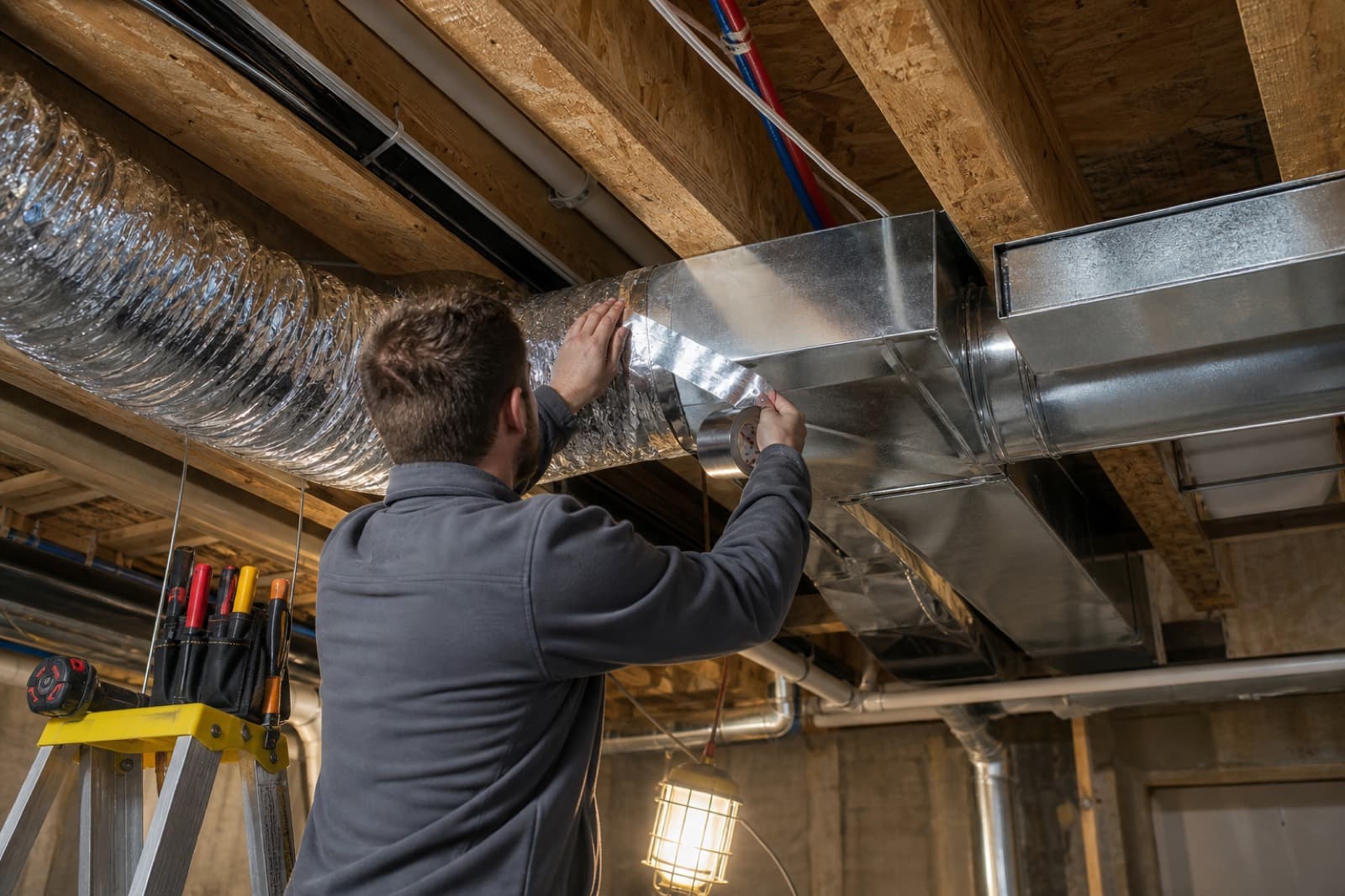
Cooling needs more airflow than heating. If your ducts are undersized, leaky, or the returns are starved, the honest quote includes fixing that, and the cheap quote doesn't. The difference shows up the first hot week, when the bargain install can't get the upstairs below 26.
Electrical capacity
A condenser needs a dedicated circuit and an outdoor disconnect, and some older homes need panel work to make room. Homes in older parts of New Westminster, Vancouver, and North Delta hit this most often. We check the panel at the assessment so it's in the quote, not a surprise on install day.
Placement, line runs, and access
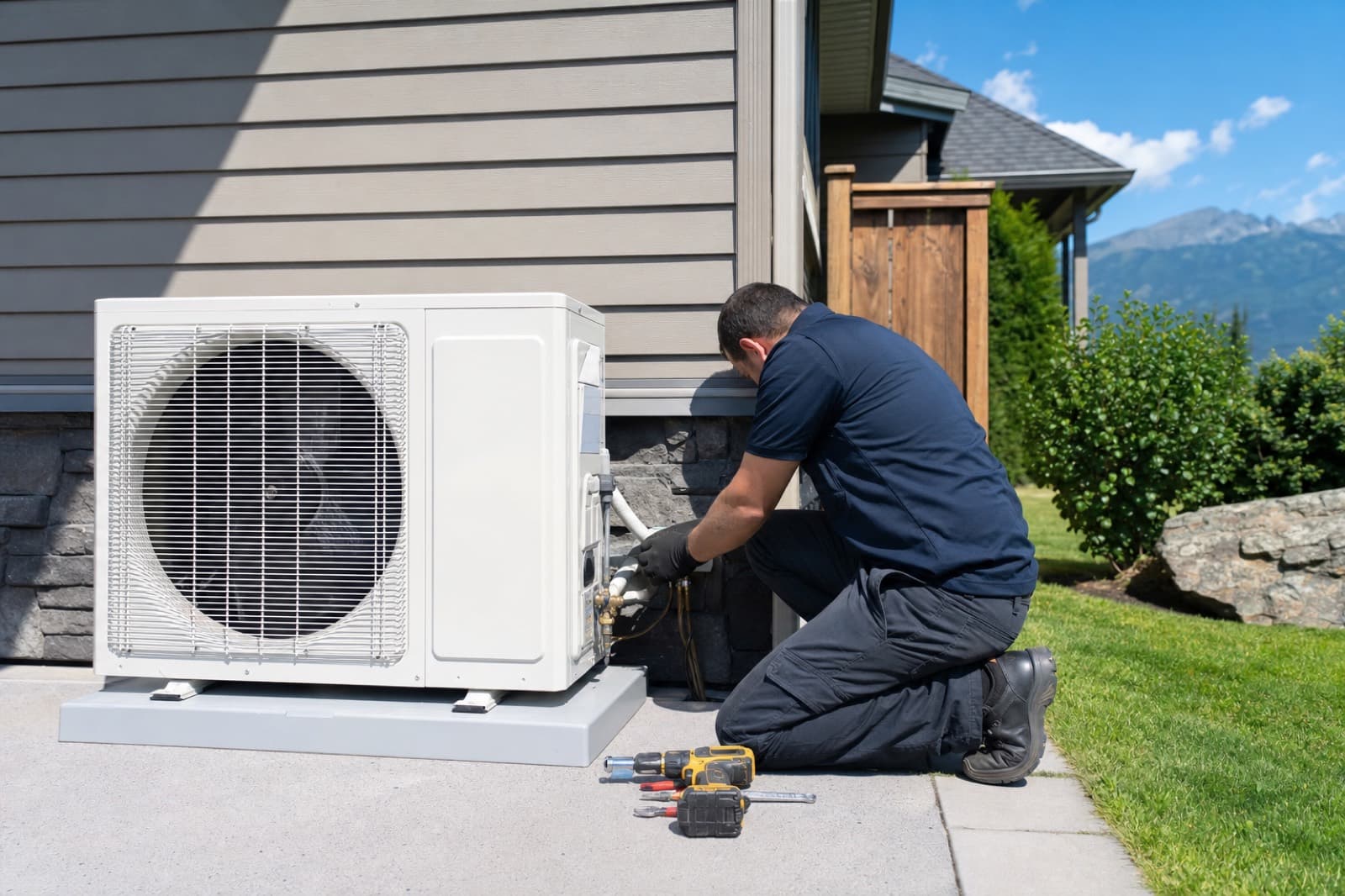
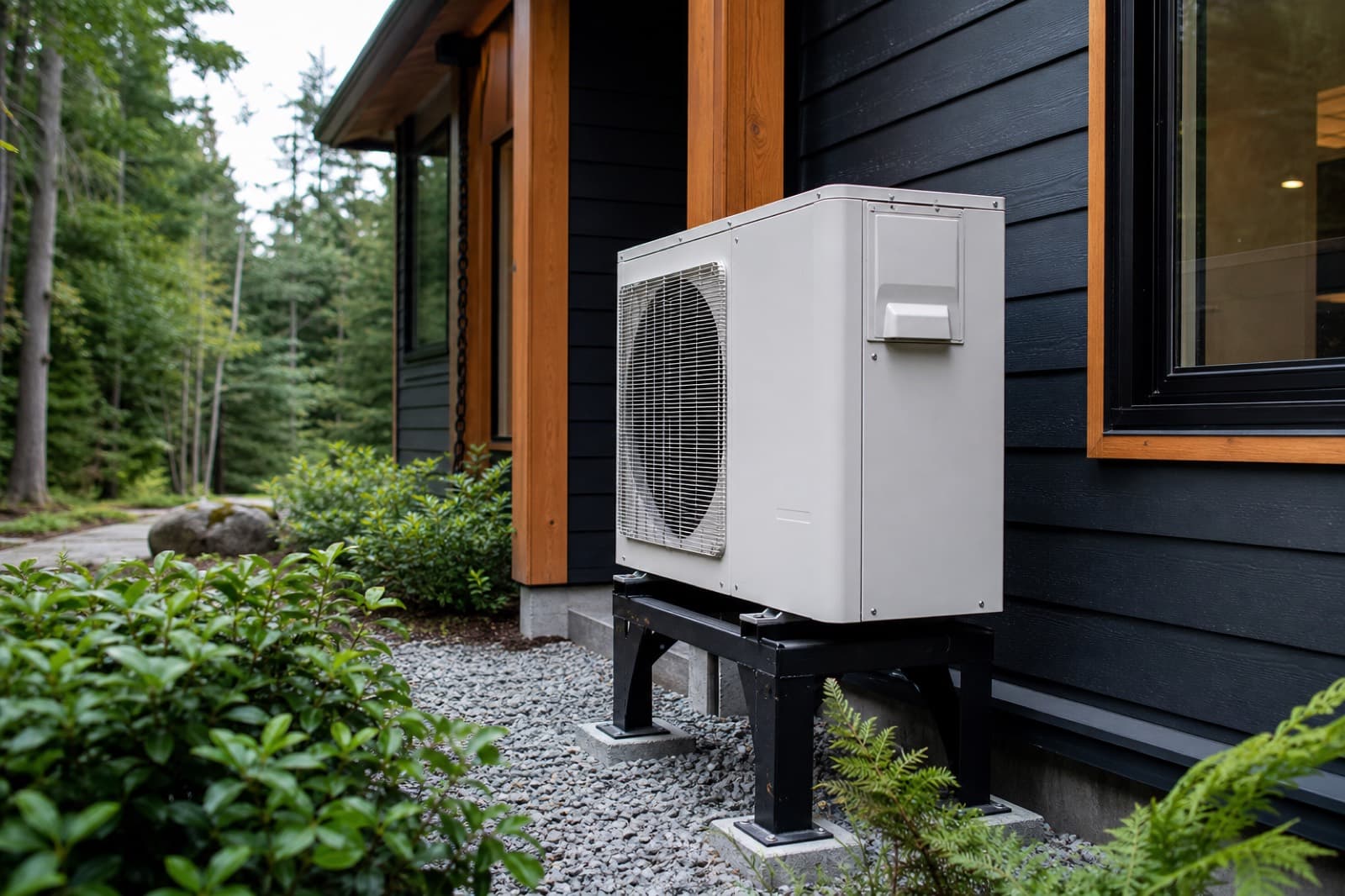
A condenser that sits right beside the furnace room wall with a short line run is quick. A unit that has to sit around the corner for noise bylaws, with a long line set routed through finished space, takes more time and material. Tight lots in Clayton and infill housing near City Centre make placement planning a real part of the job.
Permits and paperwork
Electrical permits, refrigeration regulations, municipal noise and setback rules, strata approvals where they apply, and rebate applications for heat pumps. Handling this properly costs a little and protects you a lot. An unpermitted install can bite you at insurance time and at resale.
How to get an accurate number
Have someone look at the actual house. We come out, measure, check the ducts, the panel, and the placement options, then give you a written quote with the exact equipment model named and the scope spelled out. No guessing over the phone, no surprise change orders later.
Don't just compare totals. Compare what's included. Does the cheaper quote name the equipment model? Does it include the load calculation, the duct check, the permit, the electrical? Often the gap between two quotes is exactly the stuff that makes the system work. Cheapest up front can be the most expensive over the life of the equipment.